
Breaking the Addiction Cycle How to Get Out of a Rut
However, in the absence of outside help, such as alcohol or drug detox followed by addiction treatment help, the substance abuse or addictive behavior is likely to return. Breaking free from the cycle of addiction isn’t easy, but it is possible. Change starts with recognizing what’s keeping you stuck and taking real steps to break the cycle. That might mean seeking professional help, building a stronger support system, or changing your daily environment. Many people have found a way out, even when it felt impossible. Recovery isn’t about being perfect—it’s about moving forward, one step at a time.
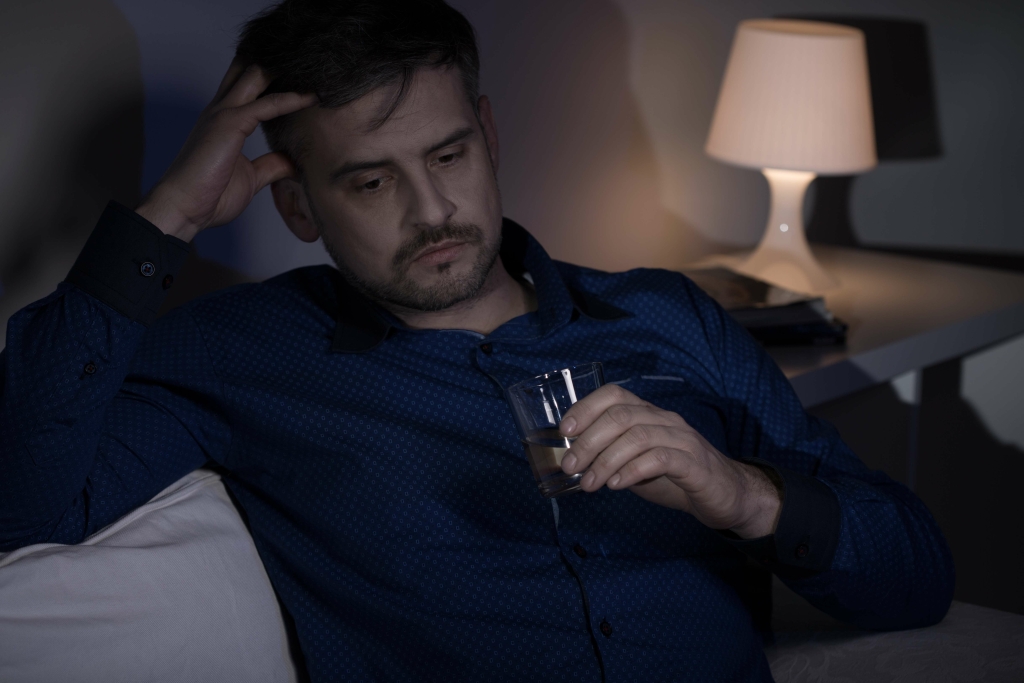
An In-depth Look at the Cycle of Addiction
If you’re struggling with substance use, seeking help from a marijuana rehab center or a support group can be the first step toward lasting recovery. It requires real strategies that help you handle cravings, avoid triggers, and rebuild your life. In the next section, we’ll cover practical steps that make recovery possible. You don’t have to do this alone—help is available, and the right approach can make a lasting difference in your journey to sobriety. As we indicated above, the drug addiction cycle is validated when certain signs and symptoms start appearing. In a general sense, it’s difficult to describe the physical dependence signs because they vary, depending on the user’s substance of choice.
If you believe that you fall within one of these stages of addiction, remember that help is available. Tolerance is an early indicator of both physical and psychological dependence, as a person must use more to reach the same level of intoxication. The increasing tolerance can lead to more frequent and larger doses, often without the person realizing the extent of this gradual escalation. The subtle way addiction unfolds can be hard to see until it’s too late.
The journey of a thousand miles begins with a single step – and that step could be today. As the brain adapts to the constant presence of a drug, it begins to compensate. This leads to tolerance, where more of the substance is needed to achieve the same effect. When the drug is removed, the brain’s compensatory mechanisms are thrown out of whack, resulting in withdrawal symptoms. This physiological dependence is a key factor in perpetuating the addiction cycle. For many, it takes hitting rock bottom to recognize the need for help.
Start Now
- Whether you’re reading this for yourself or someone you care about, know that there’s hope and help available.
- Many people have found a way out, even when it felt impossible.
- Aftercare is an essential part of the rehabilitation process, focusing on relapse prevention through ongoing support and guidance after the initial treatment phase.
As their dependence on it grows, they can feel sick, irritable, and unfocused until they have more. If you’re a treatment provider and have a question, please reach out and someone from our Customer Success team will be in touch with you shortly. LiveRehab.com offers amphetamine addiction treatment online courses and tools to help you do just that; from building healthy routines to managing cravings in real time. You may need to try more than one method—medication, therapy, lifestyle change—to find what works. Recovery isn’t one-size-fits-all, but success is possible for everyone. Sullivan Recovery incorporates both behavioral therapies to ensure progress is steady and trackable.
The Cycle of Addiction: Are You in It?
The more an individual uses, the more they feel they need to use, driven by both physical cravings and a psychological dependence on the substance to cope with life’s challenges. Breaking free from this cycle requires recognizing these patterns and seeking help, but the first step is always understanding the cycle itself. Addiction is a disease that changes the chemicals in the brain, so it’s not uncommon to hear people talk about substance abuse as a cycle of addiction from which they can’t break free. Addictions generally follow a pattern, progressing from initial use to dependence to addiction and relapse. We publish material that is researched, cited, edited and reviewed by licensed medical professionals. The information we provide is not intended to be a substitute for professional medical advice, diagnosis or treatment.
Frequently Asked Questions About Breaking the Cycle of Addiction
Some people begin to see changes in a few weeks, while others may need several months of therapy and medication. Consistent participation in programs like outpatient rehab can speed up recovery and reduce the risk of relapse. Cognitive-behavioral therapy (CBT) teaches patients to identify triggers and replace harmful thoughts.
The addiction cycle refers to a recurring pattern of substance use, withdrawal, craving, and relapse. It can affect anyone regardless of age, background, or substance. Understanding how this cycle works can help people break free from its grip and begin true recovery.. This includes the harmful use of alcohol, illegal drugs 2, and prescribed medications. These harms choose the correct cycle of addiction. are serious and cost over $420 billion each year.
- Withdrawal can be dangerous, which is why benzodiazepine rehab centers provide medical support.
- Recovery is possible, and many individuals have successfully broken free from the grip of addiction.
- A strong support system and a healthier environment can make a real difference.
- Addiction can slowly fester and build over a prolonged period of time depending on how your body reacts to the substance of abuse.
- This crisis point might come in the form of a health scare, legal troubles, or the loss of a job or relationship.
Recovery Connection
Three of the most important strategies for breaking the cycle of addiction include therapy, medically assisted treatment, and the development of a support system. It’s when a person first tries a substance or engages in a particular behavior (like gambling or excessive internet use). This often happens out of curiosity, to see what the experience is like. It can also be driven by peer pressure, where someone feels encouraged to fit in with a group, or as a way to cope with stress, emotions, or other challenges. These stages of sexual addiction are meant to suck you in; they are intended to work in a circle where you find no way out. This is the reason why you should be aware of all six stages and know where you can strike to break the addictive cycle of https://karmakolvillage.aldanashutter.com/blood-thinners-and-alcohol/ sexual behavior.
Addiction Treatment Levels of Care
The brain, already altered by past challenges, may be more vulnerable to seeking out unhealthy dopamine “highs” as a coping mechanism. Therapists can identify and discuss negative triggers and emotions that are the root issues behind the addiction problem. A reputable drug rehab center can guide you through medical detox to minimize withdrawal symptoms, provide support groups and therapies, and help you achieve a drug-free life again.
Contact Hygea Healthcare today for compassionate, professional support. Furthermore, mental health issues often become more pronounced during this phase. Understanding addiction’s progression is crucial for recovery success. According to the National Institute on Drug Abuse, addiction follows a predictable pattern.

