
Why my browser wallet pickiness matters: a hands-on look at Rabby
Whoa, this surprised me. I was fiddling with a new browser wallet the other day. My initial impression was that most extensions feel clunky and risky. But after a few hours of poking around, testing transaction flows on testnets, and comparing UX choices across Ethereum and EVM chains, I realized the little design decisions actually matter a lot for safety, speed, and the way people build trust. This matters to you if you care about DeFi security.
Really, I'm serious about this. Extensions are the most convenient on-ramps, since they sit right in your browser toolbar. They also present unique attack surfaces when compared with hardware or mobile wallets. So choosing an extension involves tradeoffs: you want tight key isolation, clear UX for transaction intent, robust phishing defenses, and simple recovery flows, and achieving all of that in a way ordinary users can understand is nontrivial. I'm biased, but I think the right approach blends security and clarity.
Hmm... this got me thinking. Rabby is an extension that kept popping up in my testing. Its feature set tries to tackle common pain points like fragmented approvals, token allowance fatigue, and confusing network switches. At first glance the UI felt cleaner, with clear intent lines for approvals and a session-based approach to dapps that reduces accidental approvals. My instinct said: this might actually help people avoid costly mistakes.
Whoa, that was unexpected. I tried connecting it to a busy DeFi app. One thing that bugged me was the default allowance behavior. Initially I thought wide allowances were a convenience, but then I saw how easy it was for a savvy attacker to exploit that convenience when paired with a malicious contract that piggybacks approvals, and actually that's a wider industry problem that wallets should more aggressively mitigate. So I liked how Rabby prompts you to set exact allowances or limited-time approvals.
Seriously, this felt like progress. The transaction confirmation screen shows the exact method being called and highlights the amount, recipient, and approval state. That design helps when dapps obfuscate intent strings. I noticed transaction batching and gas estimation tweaks that feel practical for mainnet users. The UI also gives warnings when a contract tries to spend more than expected, which is nice.
Here's the thing. As with any extension, the security model depends on your device hygiene and browser environment. I'm not 100% sure how their key isolation compares to top-tier hardware-backed extensions. But the team publishes audits and they've built in heuristics to detect phishing sites and fake popups, which is a solid engineering effort even if it can't be perfect. Use a hardware wallet for very large holdings though.
Something felt off about the onboarding flow. The recovery phrase screens are clear but the wording could be friendlier for newcomers. On one hand they warn about phishing, though actually some warnings appeared too late in my flow, which could confuse a less technical user and lead them to accept risky prompts. Initially I thought that was minor. But then I tried the same onboarding on a laptop with a bunch of extensions installed and it got messy fast.
Try it yourself
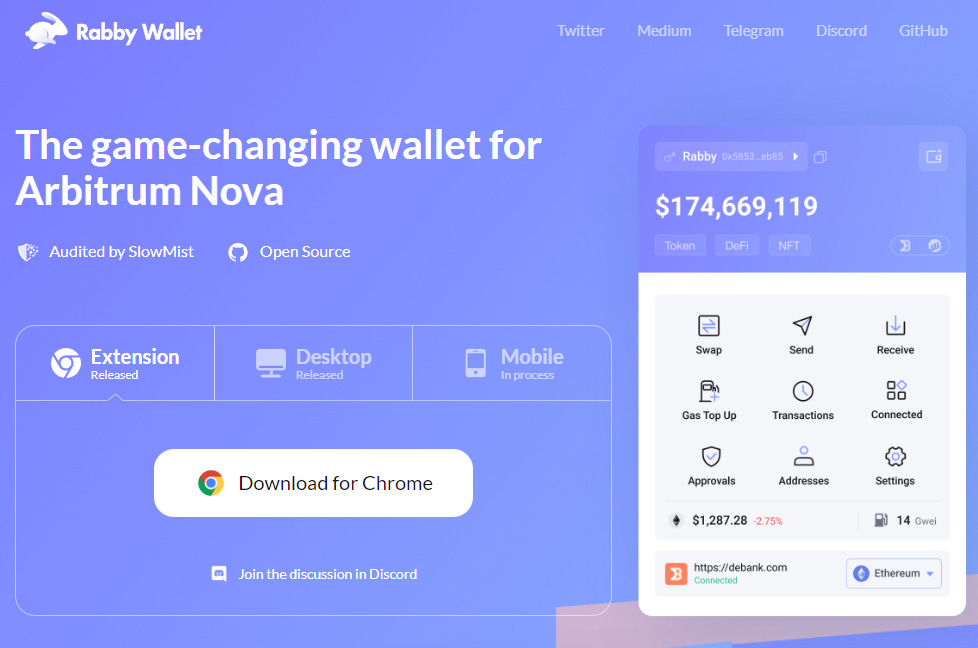
If you want to try Rabby without hunting, here's the installer link for a quick start: rabby wallet download. I used the link for a quick install, and it streamlined the testing process. I'll be honest—I'm biased toward tools that make intent visible, but this one moves the needle for me. Something about the flow felt deliberate, not flashy, and that matters when real money's on the line.
Okay, so check this out—if you're evaluating wallets, test three things: how approvals are presented, how recovery is handled, and how the extension behaves with other browser add-ons. My instinct said that many users will click through defaults, so wallets owe them clearer choices. Actually, wait—let me rephrase that: wallets owe users safer defaults and clearer nudges that prevent mistakes before they happen. Somethin' as small as wording can reduce costly errors.
FAQ
Is Rabby safe for daily DeFi use?
It has strong UX protections and some defensive features like allowance controls and phishing detection, but like any extension it relies on your browser's security and device hygiene. For very large holdings, pair it with a hardware wallet.
Can I migrate my accounts into Rabby?
Yes, you can import via seed phrase or connect a hardware wallet. Be careful: always verify the recovery steps on a secure machine and back up your phrase in a safe place—very very important.


