
Challenging the myths What misconceptions about gambling really cost you
Challenging the myths What misconceptions about gambling really cost you
The Illusion of Easy Money
One of the most persistent myths about gambling is the idea that it offers a quick and easy path to wealth. Many individuals are drawn in by the glamour depicted in movies and advertisements, where people seemingly strike it rich with a single bet. In reality, the odds are often stacked against players, and most gamblers will experience losses more frequently than wins. It is also crucial to recognize that many players are drawn to online sportsbooks, further complicating their understanding of odds.

This misconception can lead to significant financial consequences. Players may find themselves chasing losses, believing they can recover their investments with just one more game. This cycle can quickly spiral out of control, resulting in financial strain and emotional distress, making it essential to approach gambling with a realistic mindset.
The Misunderstanding of Luck vs. Skill
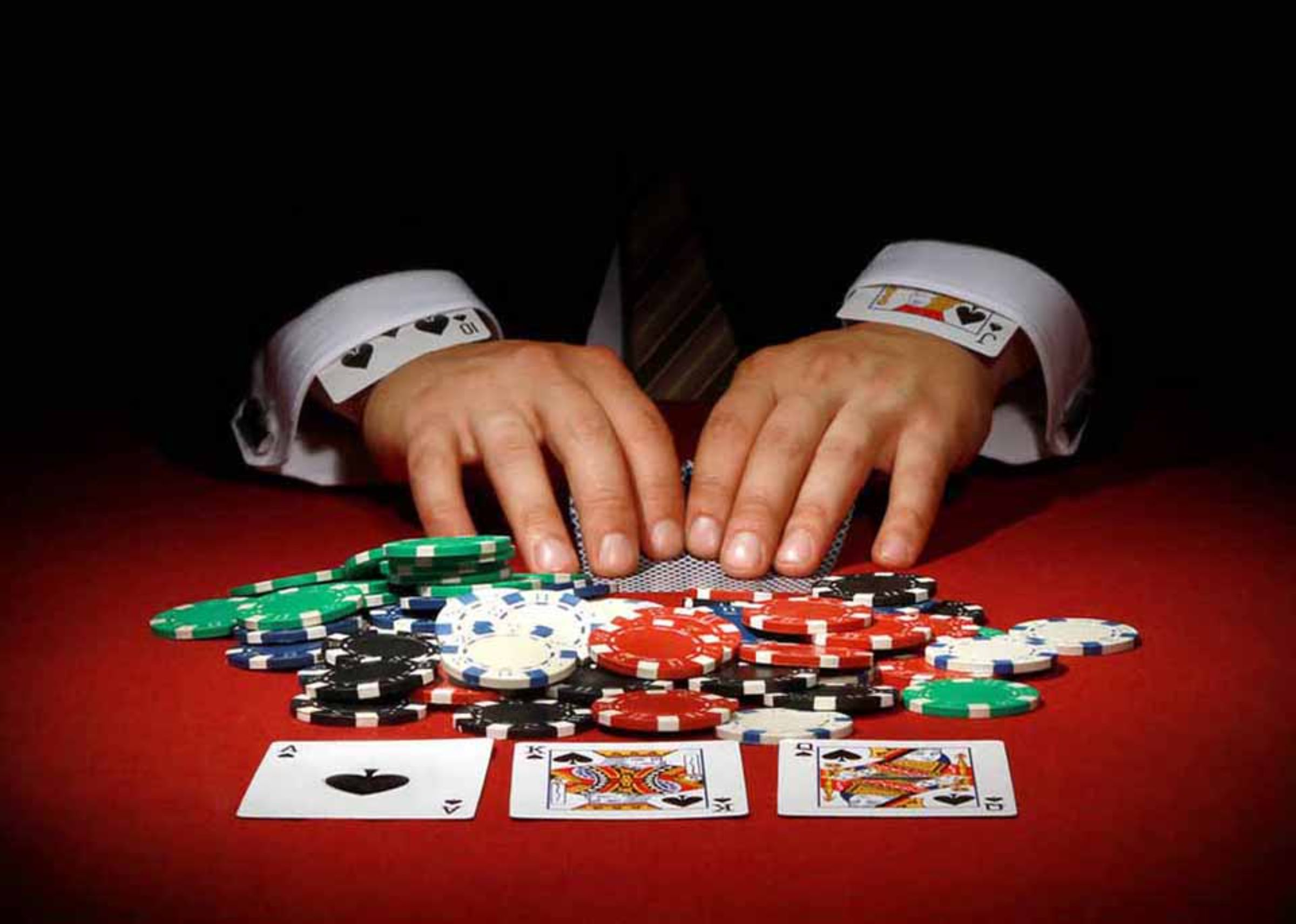
Another common belief is that gambling success is purely a matter of luck. While chance does play a significant role, many games also require a degree of skill and strategy. For instance, poker is a game where understanding odds and reading opponents can greatly influence outcomes. Players who rely solely on luck may be at a disadvantage, leading to repeated losses.
This oversimplification can prevent individuals from developing their skills or understanding the games they play. Knowledge of the games can enhance the experience and potentially improve outcomes, but a lack of appreciation for the strategic elements can lead to disappointment and financial loss.
Chasing Losses: The Emotional Trap
The emotional aspect of gambling is often overlooked, yet it significantly affects decision-making. Many gamblers fall into the trap of chasing losses, which is driven by frustration and the hope of a big win to turn their fortunes around. This mindset can lead to reckless betting and an inability to accept losses as a natural part of gambling.
Understanding this emotional trap is crucial for responsible gambling. Acknowledging the potential for loss and setting limits can help players avoid the pitfalls associated with chasing losses. Recognizing when to walk away is an essential skill that can save both money and emotional well-being.
The Social Stigma Surrounding Gambling
Society often stigmatizes gambling, labeling it as a vice or an unhealthy habit. This stigma can lead to feelings of shame or isolation among gamblers, particularly those who may struggle with their gambling habits. The fear of judgment can prevent individuals from seeking help or discussing their experiences openly.
Challenging this stigma is vital for creating a more supportive environment for those who gamble. By fostering open conversations about gambling, individuals can learn from one another and find resources to manage their habits. Reducing the stigma surrounding gambling can ultimately lead to healthier, more informed attitudes towards it.
Understanding the Resources Available
In today's digital age, numerous resources and support systems are available for individuals grappling with gambling misconceptions. Many websites offer valuable information on responsible gambling practices, game strategies, and ways to recognize when gambling becomes problematic. These platforms often provide tools that can help players maintain control and make informed choices.
Moreover, seeking professional help is essential for those who feel overwhelmed by their gambling habits. Numerous organizations focus on addiction support, offering guidance and counseling to those in need. Understanding the resources available can empower individuals to approach gambling more responsibly and help dismantle the myths that often lead to negative outcomes.
